
New mid-rise code – Faster & easier to build more homes
A new mid-rise code via VC300 will come into effect in 28 days. The pathway is for 4-6 storeys to get built faster. If a project meets clear statewide standards, it gets approved. There are no appeal rights to VCAT for compliant design. Labor is estimating savings of 5 months using the pathway. Only applies to areas where 4-6 stories are allowed. If the application is in a heritage/flood/significant vegetation overlay, it still needs to comply with those policy requirements.
DEEMED TO COMPLY OPTION FOR 4-6 STOREYS
- Amendment VC300
- Clause 57 4-6 storeys
- Clause 55 amended to refer to 3 storeys or less
- To take effect in 28 days
- Standard pathway still applies
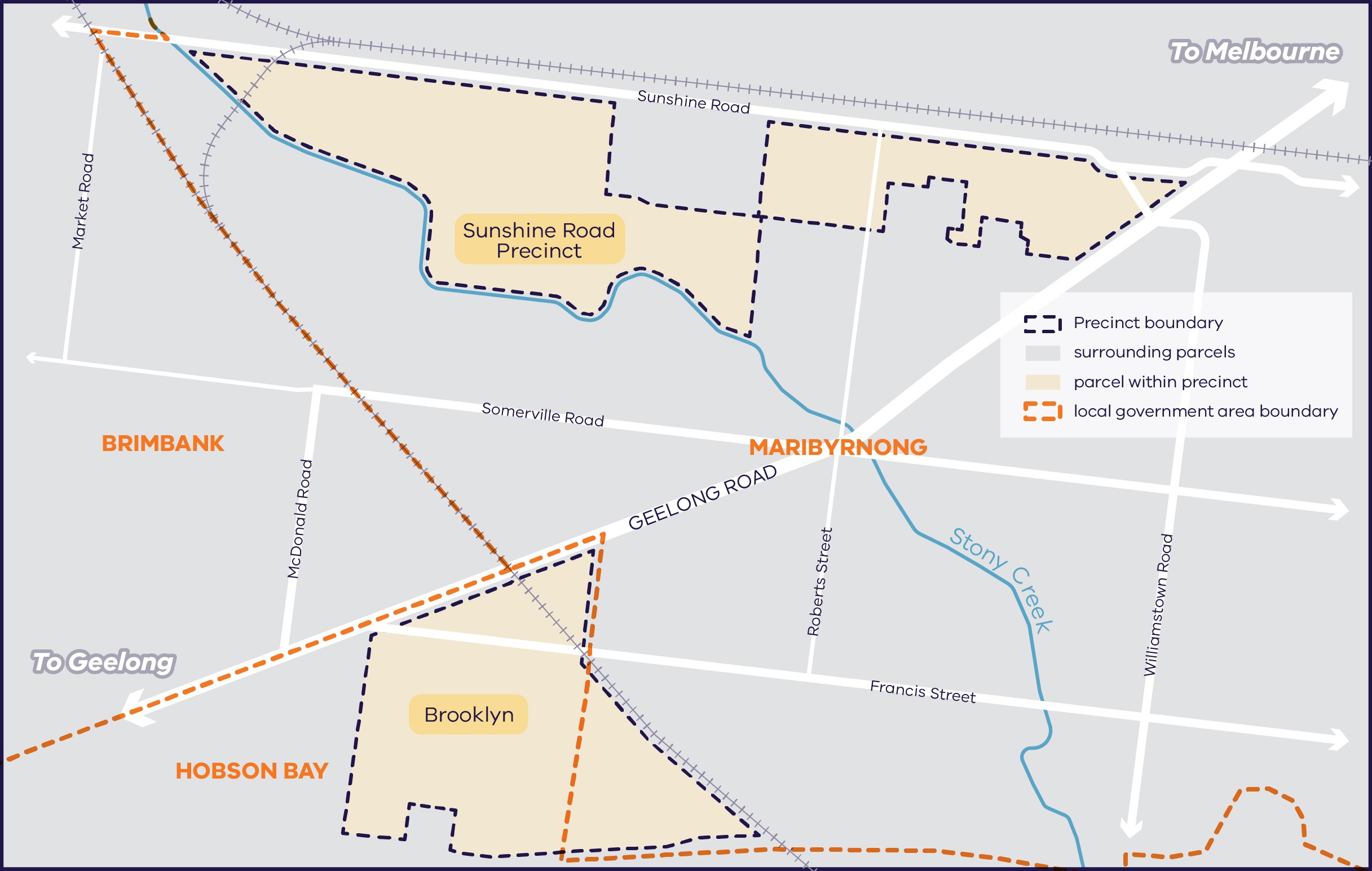
inner west employment zoning – Sunshine Road & Brooklyn Precincts
Rezoning land in Tottenham, West Footscray, Yarraville and Brooklyn, from Industrial 1 Zone to Industrial 3 Zone covering two separate areas, Sunshine Road and Brooklyn Precincts covering 237 hectares. Government introduced no truck zones to encourage land use changes, ensuring trucks are utilising freeways not local streets, specifically Williamstown and Millers Road. Rezoning is to support (smaller service industry) employment that is less reliant on heavy vehicles, removing large trucks from residential areas.
FIRB GUIDANCE NOTE 6 CHANGES
The Australian Government Treasury released an updated FIRB Guidance Note 6: Residential Land on 12 December 2025, providing much-needed clarity and flexibility for foreign investment in established dwellings and build-to-rent (BTR) projects. Limitations remain in place on foreign purchases of established dwellings, however 20+ unit developments operated as retirement villages, assisted living or aged care facilities, student accommodation, and now BTR on a commercial scale, are excluded from the ban. Approval for an acquisition of a new dwelling is not usually subject to any conditions concerning its usage.
FROM 1 APRIL 2025 TO 31 MARCH 2027, LIMITED EXCEPTIONS APPLY TO ESTABLISHED DWELLING PURCHASES: Significant contribution to Australian housing stock (i.e. 20+ dwellings), now includes BTR
BUILDING AND PLUMBING AMENDMENT REGS. 2025
All new residential and most commercial buildings must be constructed as all-electric. Existing gas hot water systems in residential buildings must also be replaced with electric alternatives at the end of their service life.
THE REGULATIONS WILL COMMENCE ON
- 1 January 2027 for ‘new’ buildings
- 1 March 2027 for ‘existing’ buildings
LABOUR UNLOCKNG REGIONAL INDUSTRIAL LAND
$15 million Trunk Infrastructure Fund
Economic growth encouraging jobs/business creation. Grants of $500,000 – $2 million to develop/expand key sites,
industrial estates and employment precincts. Investments in trunk infrastructure = major economic benefits e.g. O’Brien Logistics’ new headquarters in Wodonga. Applicants in Victoria’s 38 rural councils must contribute at least one-third of the project value. Applicants in the 10 major regional cities must contribute at least half the project value.
TRUNK INFRASTRUCTURE FUND:
- $500K-$2M in grants
- Business co-contributions required
- Stimulator of jobs growth and investment
- Exemplar example O’Brien Logistics,
Wodonga
CASEY CRITICAL INFRASTRUCTURE PROJECTS
Growth Area Infrastructure Priority List
In its December Council meeting, Casey adopted the Growth Area Infrastructure Priority List (GAIPL) 2026 (10-year plan). Over the four financial years ending 2024/25, developers delivered approximately $184M of road and intersection projects in Casey’s growth areas. Developer WIK allows Council to focus on asset renewal and complex community facility and sports reserves.
Council intends to pilot the staged construction of sports reserves where the Contribution Plan funding allows early delivery. Due to cost and complexity, Council now requires developers or the state to deliver state roads/intersections.
Horizons are:
Short term – current 2026 FY
Medium term – delivery 2027-2030
Long term – delivery 2030-2035
GAIPL OUTCOMES:
- Adopted for 2026
- Reviewed annually
- Developers leading the way with $184m road and intesection project delivery in 2024/25
- Due to cost and complexity, Council requires developer/state delivery of DTP roads/intersections WIK project agreement encrouaged, to allow Council to prioritise community projects
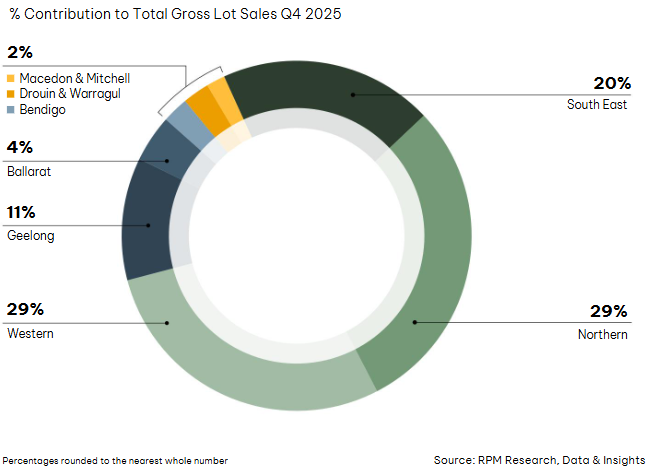
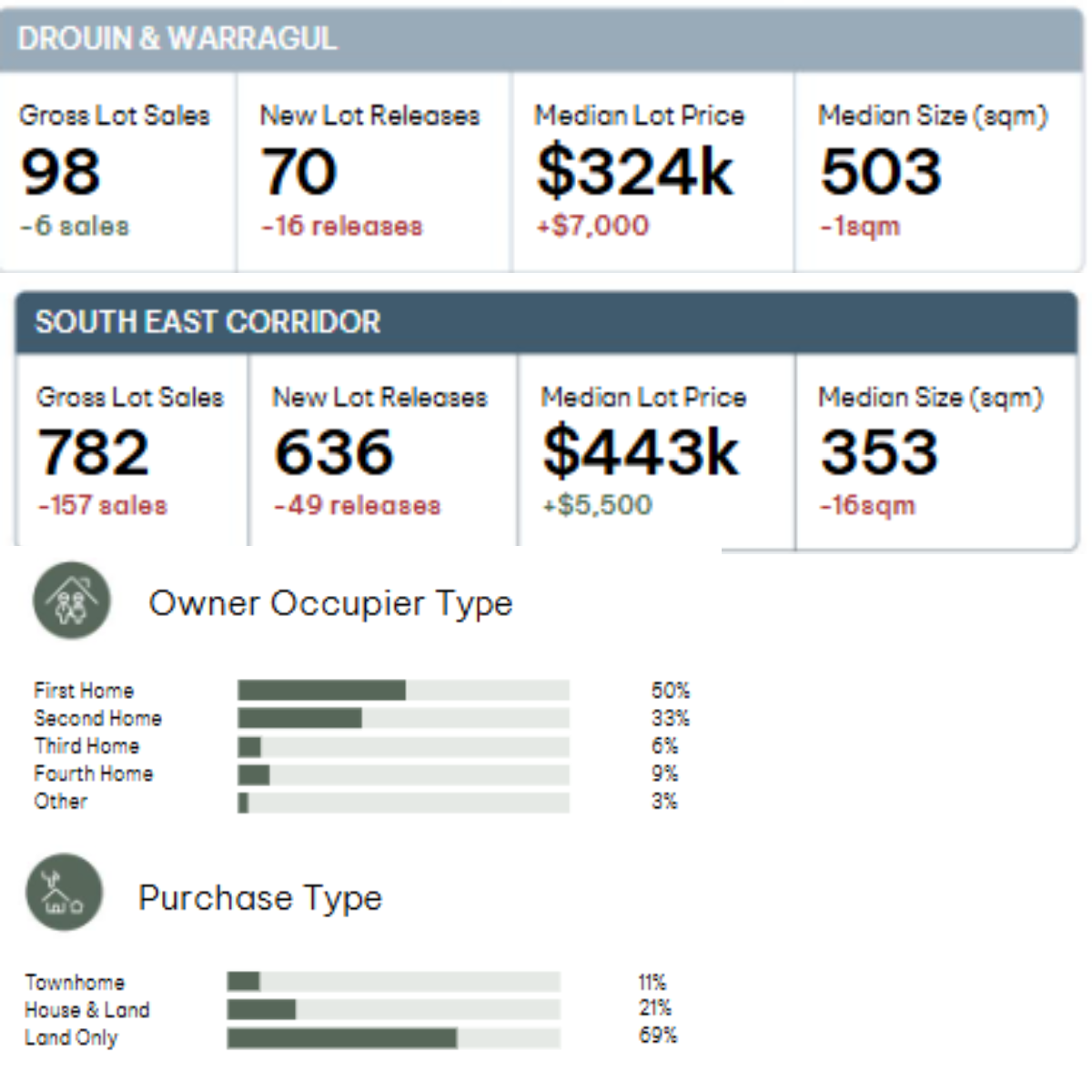
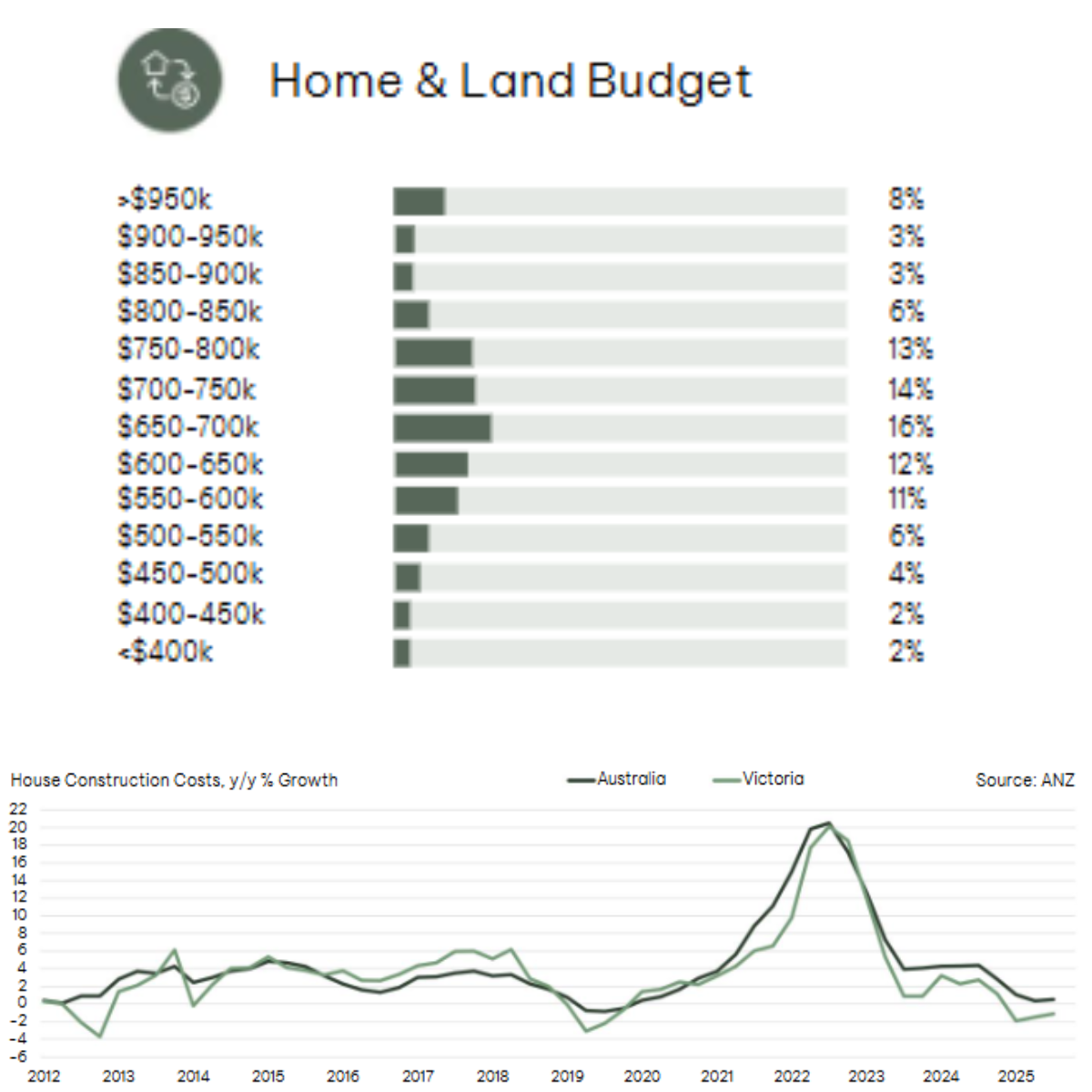
GREENFIELDS MARKET REPORT
- GDP 2.6% Up
- Annual Inflation 3.8% Up
- Median House Price 8.4% Up
- Unemployment Rate 4.2% Down
- Median Lot Price 1% Down
MORE HOMES CLOSER TO TRASNPORT, JOBS, SERVICES
Draft maps 23 Train & Tram Zone
Delivering more homes in Melbourne’s most connected suburbs, including 4 neighbourhood centres (NC) planning for modest growth.
5 connected to Metro Tunnel: Caulfield, Springvale, Noble Park, Yarraman (NC), Dandenong
8 on Frankston line now City loop: Hawksburn, Toorak, Armadale, Malvern, Glen Huntly, Ormond, Bentleigh, Mentone
4 on Sandringham line (service increase late 2026): South Yarra, Prahran, Windsor, Elsternwick
3 on Belgrave/Lilydale line (benefit of 5-minute peak services Ringwood-City): Blackburn, Nunawading, Mitcham
2 NC on Alamein line: Ashburton & a combined centre for two closest on Metro network: Riversdale and Willison
1 NC along Route 58 Tram built-up area, Toorak Village
Propose gentler height limits in catchments surrounding the core, being from 6-20 stories tall in line with council planning 300,000 new homes by 2051
Plans for all 50 centres completed by mid 2026
CORE:
- Some cores 6-20 stories in accordance with council plans
- Eligible building will be ‘deemed to comply’ with rules and exempt from VCAT review
- Applications exceeding height allowed are not eligible for fast-track
CATCHMENT:
- Proposed gentle height limits around walkable catchments
- Inner: up to 5 min walk from station (4 story limit, 6 on 1,000+sqm block)
- Outer: 10 min walk to station (3 story limit, 4 on 1,000sqm block)
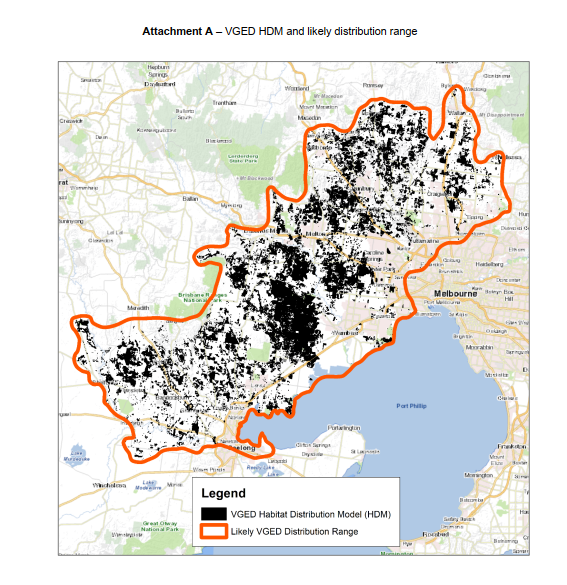
VICTORIAN GRASSLAND EARLESS DRAGON
Formal standards still being developed, DEECA’s recently published guidance:
- Conduct on ground VGED specific habitat assessments
- Early engagement with State/Commonwealth regulators to review assessment and understand next steps/risks
- Where habitat identified, develop site-specific survey methodology collaborating with regulators
- Complete detection survey when habitat will be impacted
Triggered assessments, Commonwealth Environment Protection and Biodiversity Conservation Act 1999 applies alongside State planning Requirements.
VGED HDM & DISTRIBUTION RANGE:
2026 INFRASTRUCTUIRE PRIORITY LIST
Infrastructure Australia curated a list of high priority proposals to be considered for investment over the coming 10 years based on their assessment of gaps and opportunities. Representing areas where investment would provide national benefits, increasing productivity, liveability and sustainability for now and the future as Australia continually grows and diversifies increasing population and economics demanding more productivity, transitions to a clean energy future, and sustainably boosting housing supply. Melbourne and Sydney are expected to be at 6.5m people by 2036 with Melbourne growing to 9.1m surpassing Sydney (8.5m) by 2066.
INFRASTRUCTURE INVESTMENT PRIORITIES/THEMES
- High productivity freight networks (Melb intermodal 5-10yrs)
- Ports capacity and connectivity
- High-capacity transport (Airport rail 2-4yrs, SRL East investment ready)
- Renewable energy zones (SA/VIC/NSW 2-4yrs)
- Secure and sustainable water
- Net zero and a clean energy economy
TRANSFER OF LAND AND SUBDIVISION REGULATIONS
The Transfer of Land (Fees) Regulations 2016 and the Subdivision (Registrar’s Fees) Regulations 2016 lapse on 19 April 2026 (sunsetting every 10 years). New regulations are needed to continue charging fees for land registry services in Victoria, but revenue will broadly remain at the current level (~14% increase). Ad velorem fees being the biggest component that is proposed for adjustment. Option 4 results in lower fees up to a transaction value of $1 million and increased in fees over $1.5 million. The Regulations will be made prior to April 2026.
PROPOSED REVENUE CHANGES:
- Registry fees for transfers up 47%
- Search fees for transfers up 35%
- Registry fees for subdivision up 43%
- Ad valorem fees neutral, subject to bracket changes
- Overall fees up 14%
- Option 4 ad valorem fees will see cheaper fees up to $1m and no change to $1.5m
SRL CAPTURE A RECIPE FOR UNAFFORDABLE HOMES
UDIA Chief Executive Officer Linda Allison says, “The Suburban Rail Loop precincts will include the highest taxed property in the
state.” The precincts will be subject to a new developer contribution levy ($34,000 per dwelling) that will increase. Funding will heavily rely on the cost of new development in the precinct, even though the benefits are more widespread. Data from Urbis shows the pipeline for 202427 is projected at just 6,780 apartments a year, roughly half the 12,265 we were delivering between 2016 and 2021.
THE FIVE VALUE CAPTURE MECHANISIMS
- Existing land tax
- Existing windfall gains tax
- NEW infrastructure contributions
- NEW car parking levy from 2035 (private facilities)
- State initiated development
HOUSING INDUSTRY ASSOCIATION 2026
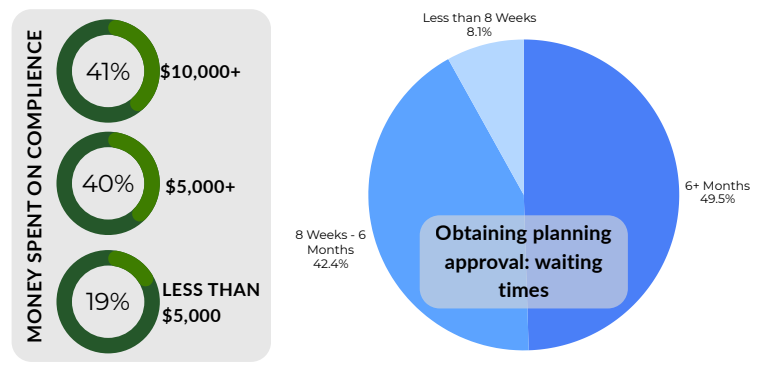
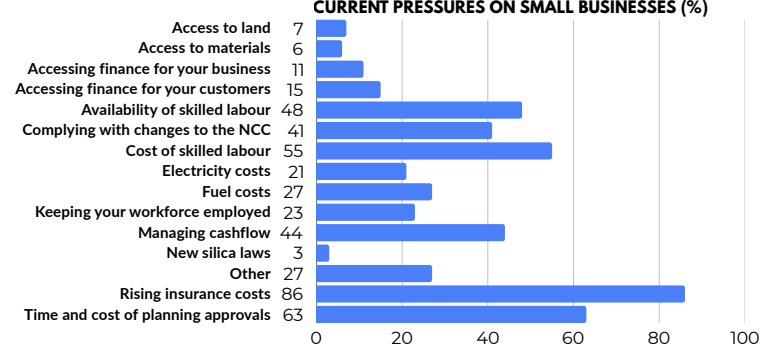
Small Business Conditions Survey
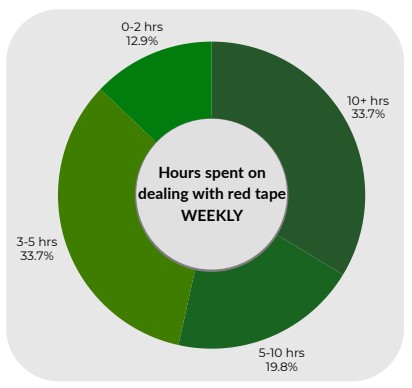
66% OF SMALL BUSINESS BELIEVES THEY WONT MAKE MORE PROFIT IN THE 2025/26 YEAR COMPARED TO LAST
75% ARE CONSIDERED SCALING BACK THEIR BUSINES DUE TO RED TAPE
51% ARE STRUGGLE TO RETAIN SKILLED STAFF
87% DONT EXPECT TO HIRE MORE STAFF IN 2026
TO ACHIEVE HOUSING TARGETS:
- Remove red tape
- Increase workforce
- Small business support
- Small business innovation
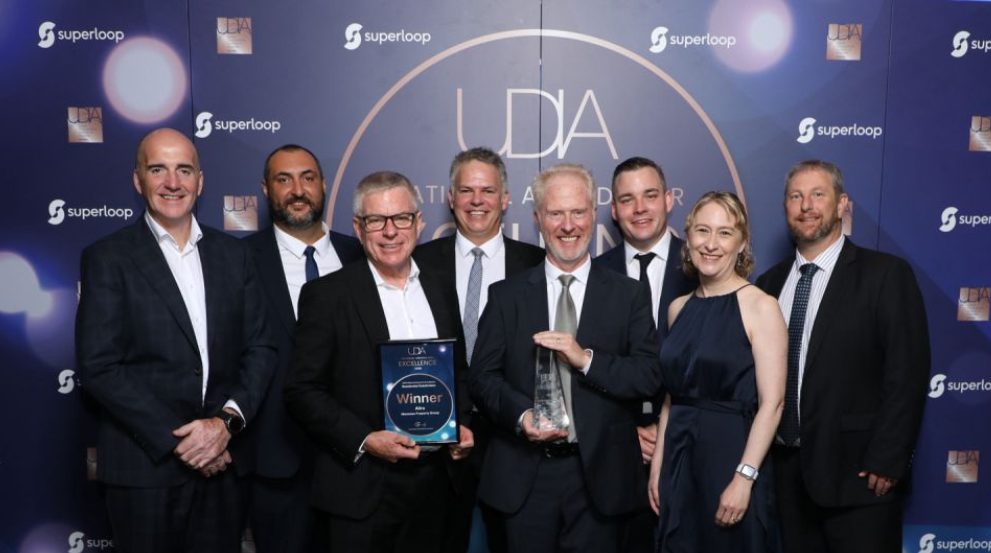
UDIA NATIONAL AWARDS FOR EXCELLENCE 2026
Residential Subdivision Alira by Moremac Property Group
“What a great night celebrating this huge achievement for the Moremac team. This is a project our KLM Spatial team has given our best to over 10+ years and we are all proud of the recognition of a remarkable project.”
Ryan Flack on LinkedIn
UPDATED GUIDELINES TO ASSESS FLOOD IMPACTS
A Flood impact (afflux) practice note: Floodplain development impact assessment has been developed by Melbourne Water (MW) in collaboration with state government stakeholders, industry and key planning associations. It was developed in accordance with the 2019 Department of Energy, Environment and Climate Action Guidelines for Development in Flood Affected Areas (DEECA Guideline).
One of the key principles in the DEECA Guideline is to ensure that developments cause “no detrimental impacts to nearby properties, particularly properties downstream. ”
This will assist developers, their advisers and the community with the preparation of development applications in flood-prone areas.
The guidelines were developed using real projects and will be used by MW and other authorities to assess whether applications for development in flood prone areas (i.e. zero afflux) are acceptable. The guidelines took effect from 4 February 2026.
RISK BASED APPROACH TO ASSESSMENTS:
- Flood risk profile
- General advice on flood risk management
- Procedure to evaluate flood impact
- Assess flood levels, hazard categories, degree of flood protection, duration of inundation
- Determine acceptable flood impact tolerances